
As individuals age (levels naturally decrease), and studies indicate this may impact collagen production, remodeling of the extracellular matrix, wound healing, defense against antioxidants, and the expression of genes. Although this data is the most substantial human evidence available in this context (the complete Phase II findings were not released as a separate peer-reviewed article), making it reasonable to view it as supportive rather than conclusive. A significant reason for the heightened interest surrounding gut health is the popularity of this topic. Evidence from preclinical studies indicates that KPV can affect inflammatory signaling pathways — such as NF-κB, and it has been evaluated in two conventional animal models of ulcerative colitis, where it has diminished inflammatory markers and sped up the healing process of the intestinal lining. Recently, if you have been involved in the peptide realm, you are likely familiar with the KLOW peptide stack. As the demand for multi-peptide formulations increases — understanding their purpose and biological targets becomes more essential.
Moving forward, adhering to the dosage guidelines on the packaging and not surpassing the recommended levels is crucial. Both formulations, GLOW and KLOW peptides, serve as important instruments for scientific exploration related to cellular repair, tissue regeneration, and pathways for inflammatory modulation. The KLOW formulation broadens these research opportunities to include modulation of inflammatory cascades and interactions with the immune system, making it apt for more intricate multi-system investigations. Research on the GLOW formulation primarily focuses on its impact on pathways for structural protein synthesis and tissue regeneration in regulated laboratory settings. Despite the similarities in their names, the molecular structures and theoretical mechanisms of these formulations are significantly different.
The $80 vial is an unapproved substance sold without a prescription, labeled for research use and not for human consumption. The comparison people actually run in their head is GLOW at about $80 from a research site against KLOW at $349 from a clinic. Vendor dosage charts for GLOW and Wolverine are written for people mixing their own vials — which is why they read like arithmetic homework.
Individual results may vary significantly based on health status, injury type, and other factors. While early human data is encouraging — comprehensive clinical trial data remains limited for most peptide compounds. The information provided on this website, including all articles, guides, and educational content, is for informational and educational purposes only and is not intended as medical advice, diagnosis, or treatment. KLOW combines BPC-157 (GHK-Cu), KPV, and TB-500 in one vial, which means its side-effect profile is really four profiles plus the honest admission that nobody has studied the combination.
Are peptide stacks safe?
Bacteriostatic water is sold separately, so add it to your cart when you buy KLOW blend. Store reconstituted vials at 2–8°C and use within 28 days. Add 2.5mL of bacteriostatic water to the 80mg vial by injecting slowly along the vial wall, never directly onto the powder.

KPV, a tripeptide fragment of alpha-MSH, directly suppresses NF-kB — the upstream switch for TNF-alpha, IL-6, and IL-1beta production — and carries documented gut-specific anti-inflammatory activity , Luger & Brzoska, 2007,. GHK-Cu, the copper-binding tripeptide, is the blend’s namesake heavyweight at 50mg, its research base covers collagen synthesis, wound healing, and broad gene-expression effects, largely from topical and dermal studies (Pickart & Margolina, 2018). This article reports what has been documented, not what should be done.
The KPV component is what people most commonly point to when they choose KLOW over GLOW. An evidence-based KLOW protocol guide covering dosing structure, reconstitution math, injection schedule, cycle length, and safety considerations for this 4-peptide stack. This article is provided for educational research purposes only and should not be treated as medical advice. The other three compounds have weaker human records, with BPC-157 having only three small human pilot studies and KPV having only rodent-model data. KLOW is not approved by the FDA as a combination, and none of the four individual compounds is currently FDA-approved for human use either.
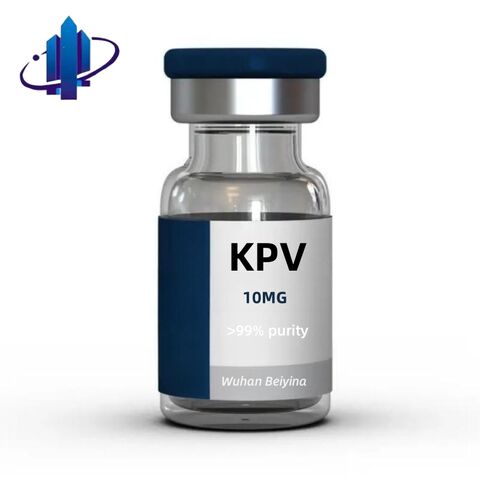
Four compounds also means four sets of side effects and no way to tell which one did what, so anyone who has not run the components separately first is guessing. A gut problem on its own is BPC-157 and KPV, which skips the copper peptide and the TB-500 and costs a fraction as much. For gut protocols the question mostly goes away, since KPV and BPC-157 are taken as capsules; see oral vs injectable BPC-157. KPV has no known conflict with BPC-157 or TB-500 and the three are sometimes drawn together, though no stability data exists for any peptide mixture sold on the research market. A 2 to 4 week break follows, and the only way to know whether KPV was doing anything is to leave it out of the next run and see whether symptoms return. KPV is carried into inflamed intestinal cells by the PepT1 transporter (which is upregulated during inflammation), and oral KPV reduced colitis in several mouse models.
The full KLOW stack concept
Many individuals within the Fully Optimized Health community combine KLOW with various BPC-157 protocols to promote gut healing or incorporate it into ongoing TB-500 treatments for injury recovery — often yielding excellent results. If chronic inflammation is present (which is the case for most individuals over 40), KLOW is the more comprehensive approach. For those whose main focus is solely on injury recovery and/or improving skin appearance without a major inflammatory aspect — GLOW may be the right initial choice. KPV (in contrast to most anti-inflammatory agents), acts within the cell. This explains why I have observed KLOW achieving results in individuals who have already tried GLOW protocols but did not progress beyond their plateau; the essential element missing in the GLOW trio was the immune modulation component. Those who have long followed the Jay Campbell ecosystem are likely familiar with the GLOW peptide blend.
Analyzing the Four Components.
The documented method involves allowing gravity to facilitate the process. BAC water remains effective for up to 28 days when refrigerated, which is significant since one vial of KLOW can provide over 20 injections. Other sources clarify that these are research materials or experimental compounds and not consumer products that have received approval. The search trends regarding the KLOW Peptide Stack seem to mirror a wider interest in branded peptide stacks and combined formulations as of 2026. The term is not represented as a clinical protocol (treatment category), or an approved formulation.
Several studies using animal models have investigated the effects on tissue levels after experimental injuries, with researchers observing variations in inflammatory marker expression in TB-500 treated groups versus control groups. Multiple published studies have explored behavioral outcomes in lesion models where disruptions occurred in dopaminergic pathways, showing that BPC-157 seems to affect specific behavioral metrics in these controlled experimental settings. Researchers making a choice between the two formulations ought to take into account their designated pathway objectives and experimental frameworks. KLOW is a multi-peptide research formulation that generally includes GHK-Cu — BPC-157, TB-500, and KPV. This guide offers a comprehensive overview of the known components of the KLOW peptide stack (the receptor biology associated with each), and the findings from published preclinical literature in relevant model systems. Source Peptides exclusively provides research compounds to qualified researchers, research institutions, and laboratories for in-vitro laboratory research only.